

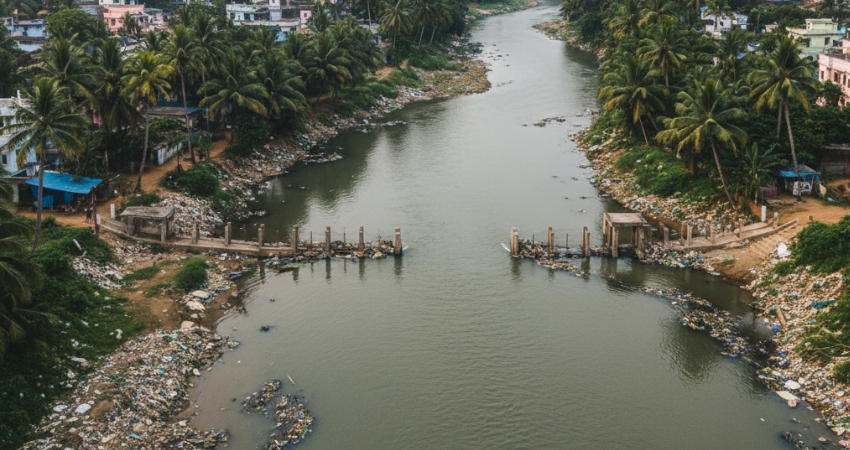
The Gayatripuzha, a vital tributary of the Bharathapuzha River, is facing a grave environmental crisis. She is slowly being suffocated by encroachments, pollution, and neglect. This once-thriving watercourse is now at a critical juncture, with its health and survival hanging in the balance. A combination of factors ranging from unchecked sewage waste and hospital effluent to encroachment and chemical contamination has put the river in peril, causing it to lose much of its former glory.
As the river continues to deteriorate, the question remains: who will step forward to protect it?
However, there is a glimmer of hope. Local groups like Friends of Bharathapuzha (FoB) and the Kollangode Ashrayam Rural Development Society are stepping forward to restore and protect this essential waterway, and they are calling on the community to join them in this critical effort.
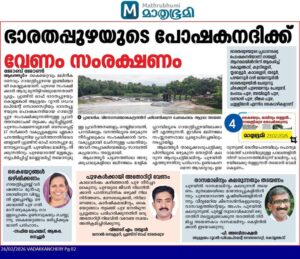
The Current State of Gayatripuzha
Gayatripuzha, which flows through the Alathur region and is an essential tributary of the Bharathapuzha River, has become a victim of encroachment and pollution. The Alathur region, which houses the stream, is riddled with various pollution issues. Sewage from Alathur town seeps into the river, and untreated hospital waste flows from the Alathur Taluk Hospital, tainting the water and making it unsafe for both wildlife and nearby communities.
The encroachments along the riverbanks further exacerbate the situation, restricting the natural flow of the river and increasing the risk of flooding during the monsoon season. The river, once a source of life and a natural resource, is now a shadow of its former self.
A Collective Effort to Restore the River
Friends of Bharathapuzha (FoB) and the Kollangode Ashrayam Rural Development Society have recognized the urgency of the situation and are working together to launch initiatives to protect and rejuvenate Gayatripuzha. They have formulated an action plan in collaboration with 17 government departments, aiming to address the various threats to the river. Their plan includes measures to remove waste from the river, as well as strategies to prevent soil erosion by planting bamboo groves along the banks.
Despite the goodwill and coordination between these groups, they face significant challenges, particularly financial difficulties. Nevertheless, their efforts continue, as they work to implement projects in collaboration with the Forest Department to protect the streams that flow through the Nelliyampathy and Parambikulam forests. These efforts represent a crucial first step in reversing the damage and reviving the tributary.
Key Issues Hindering River Protection
Several key issues need to be addressed to restore Gayatripuzha to its natural state. One major concern is the lack of an operational sewage treatment plant, despite promises from authorities. The untreated sewage flowing into the river from Alathur town is a pressing problem, exacerbating pollution levels. Additionally, hospital waste continues to enter the river, with no measures in place to treat or prevent this contamination.
Another critical issue is the practice of waste dumping by vehicles from bridges on national highways and public roads, which directly pollutes the river. The construction of fences along the riverbanks could help curb this illegal activity and prevent waste from entering the water.
The Need for a River Authority
One of the most pressing calls from environmentalists and concerned citizens is the establishment of a dedicated river authority to oversee the protection and management of Gayatripuzha. Vinod M. Nambiar, the General Secretary of Friends of Bharathapuzha (FoB), emphasizes the need for such an authority, pointing out the various problems plaguing the river, including sand mining, agricultural waste, and encroachments. He argues that the river’s ecological flow must be restored to ensure its survival and prevent further degradation.
The Impact of Agricultural and Chemical Waste
The impact of agricultural activities along the riverbanks is another significant concern. Powerful pesticides and chemical fertilizers used by farmers in the region are making their way into the river, further polluting the water. The dams constructed along the river also contribute to the accumulation of chemical waste, as they disrupt the natural flow and prevent the river from flushing out contaminants effectively. P. Aravindakshan of the Kollangode Ashrayam Rural Development Society highlights the urgent need to prevent the mixing of chemical waste with the river water, warning that the current practices are unsustainable and detrimental to both the river ecosystem and the communities that depend on it.
The Path Forward
To ensure the long-term survival of Gayatripuzha, immediate action is required. The collaborative efforts between local groups and government departments are a step in the right direction, but the support of the community is essential for success. The public must recognize the importance of protecting the river and its tributaries, not only for the environment but also for the livelihoods of those who rely on its waters.
How You Can Help
- Support Local Initiatives: Support organizations like Friends of Bharathapuzha (FoB) and the Kollangode Ashrayam Rural Development Society in their efforts to protect the river. This can include volunteering, donations, or simply raising awareness about the issues facing the river.
- Advocate for Action: Advocate for the establishment of a dedicated river authority that will be responsible for the preservation and management of Gayatripuzha and other rivers in the region.
- Reduce Pollution: Be mindful of waste disposal and encourage local communities to adopt sustainable practices that minimize pollution.
- Protect the Environment: Join in efforts to prevent the use of harmful chemicals in farming and other activities that could harm the river ecosystem.
As Gayatripuzha faces increasing threats from encroachment, pollution, and mismanagement, it is crucial that both local authorities and the public take responsibility for its protection. With collective action, this vital tributary can be saved for future generations to enjoy and benefit from. It is time to come together to safeguard the waters of Gayatripuzha and ensure the survival of the Bharathapuzha River ecosystem.
